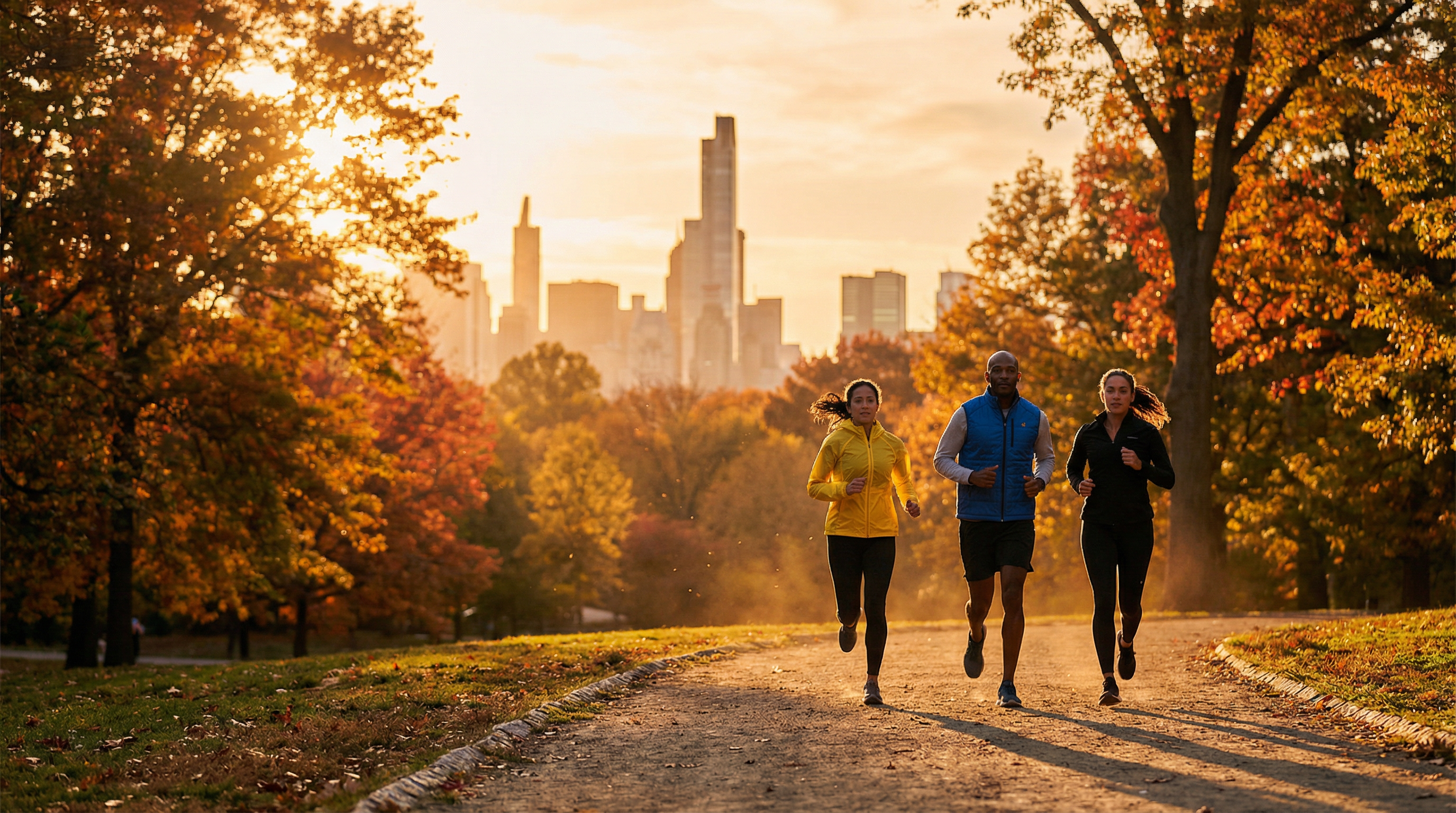
The Six on the Run: A Comprehensive Guide to Running in Toronto, Canada
Introduction: Discovering Toronto, The Runner's City
Toronto, often affectionately nicknamed "The Six," is a city of dynamic contrasts, where towering glass skyscrapers meet historic Victorian neighborhoods, and bustling urban life gives way to serene waterfronts and deep, forested ravines. For the runner, this diversity translates into an unparalleled playground. Far from being just a concrete jungle, Toronto is a city that embraces its green spaces and waterfront access, offering a network of trails and paths that can challenge the seasoned marathoner and delight the casual jogger alike. This guide is your essential companion to navigating the best of Toronto's running landscape, from its iconic, flat waterfront paths to its hidden, challenging trail systems.
The city's commitment to outdoor recreation is evident in its extensive multi-use trail system, much of which is built on former railway lines or follows the natural contours of its river valleys. This infrastructure provides safe, scenic, and continuous routes that allow you to cover significant distance without the constant interruption of traffic lights and cars. Whether you are seeking a fast, flat route for a personal best, a quiet, shaded trail to escape the summer heat, or a challenging, hilly course to build strength, Toronto has a route waiting for you.
We will explore three of the city's most essential and beloved routes, delve into the vibrant local running culture, prepare you for running through the dramatic Canadian seasons, uncover some of the city's best-kept running secrets, and provide all the practical information an international visitor needs to hit the ground running in Canada's largest city. Get ready to experience the energy, the beauty, and the sheer scale of Toronto, one stride at a time.
***
Three Essential Toronto Running Routes
Toronto’s running scene is defined by three distinct environments: the expansive waterfront, the tranquil midtown ravines, and the unique, island-bound escape. These routes offer a perfect trifecta of experiences, showcasing the city's diverse geography and stunning skyline.
Route 1: The Iconic Waterfront Run: Martin Goodman Trail
The **Martin Goodman Trail** is the undisputed crown jewel of Toronto running. It is the city's signature path, a continuous, multi-use trail that stretches for approximately 56 kilometers (35 miles) along the Lake Ontario waterfront, though the most popular and scenic section runs through the downtown core [1].
The Route: The most iconic segment is the 8-kilometer (5-mile) stretch from **Queen's Quay** (pronounced 'key') near the Financial District to the **Humber River Bridge** in the west. Starting at Queen's Quay, you are immediately immersed in the heart of the Harbourfront, with the CN Tower and Rogers Centre dominating the skyline behind you. The path is mostly flat and paved, making it ideal for speed work, long runs, or a relaxed sightseeing jog.
* **Key Landmarks:** As you head west, you'll pass the **Harbourfront Centre**, **Ontario Place**, and the **Exhibition Place**. The path is a mix of dedicated running/biking lanes and wide sidewalks. * **The Sunnyside Section:** Around the 5.6-kilometer (3.5-mile) mark, you reach **Sunnyside Park**, a beautiful, open green space with a historic bathhouse and a popular beach. This section is particularly pleasant, offering uninterrupted views of the lake. * **The Humber Bay Arch Bridge:** The route culminates at the stunning **Humber Bay Arch Bridge**, a pedestrian and cyclist bridge that offers a fantastic turnaround point and a perfect photo opportunity. You can extend your run further west into the Humber Bay Shores Park for an additional 7 kilometers (4.5 miles) of scenic waterfront running, offering spectacular views back toward the downtown skyline.
Surface and Logistics: The trail is primarily paved asphalt or concrete. It is exceptionally flat, with minimal elevation gain, making it a fast course. Water fountains are available in the summer months, and public washrooms can be found at key points like the Harbourfront Centre and Sunnyside Pavilion. Given its popularity, be mindful of cyclists, especially on weekends.
Distance Options: * **Short:** Queen's Quay to Sunnyside Park and back (approx. 11 km / 7 miles). * **Medium:** Queen's Quay to Humber River Bridge and back (approx. 16 km / 10 miles). * **Long:** Queen's Quay to Humber Bay Shores Park and back (approx. 23 km / 14 miles).
***
Route 2: The Urban Oasis: Toronto Beltline Trail
For a completely different experience—one that trades the open water for shaded, leafy tranquility—the **Toronto Beltline Trail** is a must-run. This 14-kilometer (8.7-mile) linear park is built on the former route of the Toronto Belt Line Railway, which operated briefly in the 1890s [2]. It offers a peaceful, traffic-free escape through some of the city's most affluent and picturesque midtown neighborhoods.
The Route: The Beltline is generally divided into three distinct sections, each with its own character:
1. **The York Beltline Trail:** The westernmost section, running from the Allen Road area. It is the least manicured but offers a rugged, secluded feel. 2. **The Kay Gardner Beltline Park:** This is the most popular and well-maintained section, running from the Allen Road to Mount Pleasant Road. It is a wide, tree-lined path that cuts through the heart of Forest Hill and Chaplin Estates. The surface here is mostly crushed stone (gravel), which is excellent for runners seeking a softer, lower-impact surface than pavement. 3. **The Ravine Beltline Trail (Moore Park Ravine):** This section runs south from Mount Pleasant Cemetery through the Moore Park Ravine. It is the most scenic and challenging part, featuring more dramatic elevation changes and a deep immersion into the city's extensive ravine system. This section can be muddy after heavy rain, so trail shoes are recommended.
Key Features: The trail is a runner's dream for its continuous, non-motorized nature. It is heavily shaded, providing a cool retreat during the summer. The crushed stone surface of the Kay Gardner section is a welcome change from the city's hard sidewalks. The trail connects to the **Mount Pleasant Cemetery**, which, while not officially part of the Beltline, offers a beautiful, quiet, and well-maintained network of paved roads for additional mileage.
Distance and Logistics: The full loop is approximately 14 km (8.7 miles) one-way, but it is best run as an out-and-back or by connecting to other routes. Access points are numerous, but the intersection of Yonge Street and Eglinton Avenue is a convenient starting point, as it is close to a major subway station.
***
Route 3: The Skyline View Run: Toronto Islands
For a truly unique and unforgettable running experience, take the 15-minute ferry ride from Queen's Quay to the **Toronto Islands**. This chain of small islands—Centre, Ward's, and Hanlan's—is completely car-free and offers the most spectacular, unobstructed views of the Toronto skyline [3].
The Route: The islands are connected by bridges and paths, allowing for a continuous loop that is approximately 10 kilometers (6.2 miles) to 12 kilometers (7.5 miles), depending on how many side paths you explore. The main loop is flat and paved, circling the perimeter of the islands.
* **Centre Island:** The main hub, featuring the amusement park (Centreville), gardens, and the main pier. Running here in the early morning or late evening avoids the daytime crowds. * **Ward's Island:** The easternmost island, home to a small, charming residential community. The atmosphere here is quiet and quaint, feeling miles away from the city. * **Hanlan's Point:** The westernmost island, known for its clothing-optional beach and great sunset views.
Key Features: The entire run is a visual feast. The path runs right along the water, with the vastness of Lake Ontario on one side and the dramatic, world-class skyline on the other. It is an incredibly peaceful run, with only the sounds of the water and the occasional ferry horn. The flat terrain makes it a perfect recovery run or a scenic long run.
Logistics: You must take a ferry from the Jack Layton Ferry Terminal at Queen's Quay. Check the schedule in advance, as service frequency varies by season. The cost is minimal, and the ferry ride itself is part of the experience, offering a fantastic pre-run warm-up view. The islands are best run in the morning before the tourist crowds arrive.
***
Toronto's Vibrant Running Culture
Toronto's running community is as diverse and energetic as the city itself. It is a culture built on inclusivity, camaraderie, and a shared love for exploring the city on foot. The scene is characterized by a massive network of organized running clubs and groups, making it easy for any visitor to find a pace and a crew.
A City of Run Clubs
The city boasts over 50 free running clubs and social groups, catering to every pace, distance, and demographic [4]. This vibrant ecosystem ensures that whether you are looking for a casual 5K social run or a structured marathon training session, you will find a group.
Notable Aspects of the Culture:
* **Diversity and Inclusion:** Toronto's multiculturalism is reflected in its running scene. There are numerous culturally-rooted clubs, such as those focused on Asian, Arab, and Black communities, providing welcoming spaces that go beyond just the act of running [5]. * **The Social Element:** Many runs end at a local brewery, coffee shop, or restaurant, emphasizing the social and community-building aspect of the sport. The **Downtowner** run crew and the **Parkdale Roadrunners** are examples of groups that blend fitness with social engagement. * **Local Run Shops:** Independent running stores like **The Runners Shop** have been integral to shaping the local running culture for decades, serving as community hubs for gear, advice, and organized events [6].
Major Races and Events
Toronto hosts a robust calendar of organized races, particularly in the spring and fall. The city's flat terrain and scenic routes make it a popular destination for personal best attempts.
| Race Name | Distance | Season | Key Feature | | :--- | :--- | :--- | :--- | | **Tamarack Ottawa Race Weekend** | Marathon, Half, 10K, 5K | May | Canada's largest running event, though in Ottawa, it draws many Toronto runners. | | **Scotiabank Toronto Waterfront Marathon** | Marathon, Half, 5K | October | A fast, flat, and scenic course that is a major qualifier for the Boston Marathon. | | **Toronto Marathon** | Marathon, Half, 10K, 5K | May | Another popular event, known for its downtown start and finish. | | **Midsummer Night's Run** | 30K, 15K, 5K | July | A unique evening race that takes advantage of the cooler summer nights. |
***
Running Through the Seasons
Toronto experiences four distinct seasons, each presenting a unique set of challenges and rewards for the runner. Preparing for the weather is crucial for an enjoyable and safe experience.
Spring (March - May)
* **Weather:** Unpredictable. Can range from late-winter snow and ice to warm, sunny days. Temperatures typically range from 0°C to 15°C (32°F to 59°F). * **Running Conditions:** Trails can be muddy and wet, especially in the ravines. The Martin Goodman Trail is usually clear. * **Gear Tip:** Layering is essential. Start with a moisture-wicking base layer, add a light jacket, and wear gloves and a hat that can be easily removed and stored.
Summer (June - August)
* **Weather:** Hot and humid. Temperatures frequently exceed 25°C (77°F), with high humidity making it feel much warmer. Thunderstorms are common. * **Running Conditions:** Best to run early in the morning or late in the evening to avoid the peak heat. The shaded ravine trails (like the Beltline) offer a welcome respite. * **Gear Tip:** Focus on hydration and sun protection. Wear light-colored, technical fabrics, a hat, and sunscreen. Carry water or plan your route around public water fountains.
Fall (September - November)
* **Weather:** The absolute best time to run in Toronto. Cool, crisp air, and stunning foliage. Temperatures are ideal, ranging from 10°C to 20°C (50°F to 68°F). * **Running Conditions:** Perfect. The air is clean, and the trails are dry. The Beltline and the Don Valley trails are spectacular with the changing leaves. * **Gear Tip:** A single long-sleeved shirt or a light vest is often all you need. This is the season for fast times and long, comfortable runs.
Winter (December - February)
* **Weather:** Cold, snowy, and icy. Temperatures are consistently below freezing, often dipping below -10°C (14°F), with wind chill making it feel colder. * **Running Conditions:** Challenging but manageable. Major paths like the Martin Goodman Trail are often plowed, but side trails and ravines can be covered in snow and ice. * **Gear Tip:** **Layering is critical** [7]. Wear a windproof outer shell, thermal tights, and focus on keeping extremities warm with a good hat, buff, and insulated gloves. **Traction is a must**; consider using running shoes with built-in traction or slip-on devices like Yaktrax for icy conditions. Visibility is also key, as daylight hours are short [8].
***
Hidden Gems and Trail Running
While the main routes are spectacular, Toronto's true running secret lies in its vast and interconnected ravine system. These natural corridors, which cut deep into the city's urban fabric, offer a genuine trail running experience just minutes from the downtown core.
The Ravine System: A Runner's Secret
Toronto is crisscrossed by a network of deep ravines carved by the Don and Humber Rivers. These areas are protected green spaces, offering miles of unpaved, hilly, and secluded trails.
* **Crothers Woods:** Located in the Don Valley, this is a popular spot for mountain bikers and trail runners. It features winding, single-track trails with significant elevation changes, offering a challenging workout and a complete escape from the city [9]. * **Moore Park Ravine:** This is the southern extension of the Beltline Trail, but it deserves its own mention. It follows the Mud Creek, offering a beautiful, shaded run that feels like a deep forest. It connects to the Don Valley trails, allowing for runs of 20 km or more. * **Humber River Trail:** On the west side of the city, this paved and unpaved trail follows the Humber River north from the Martin Goodman Trail. It offers a long, continuous run through parkland, away from the urban noise.
The Scarborough Bluffs
For a dramatic, coastal-like run, head east to the **Scarborough Bluffs**. These towering cliffs along the shore of Lake Ontario offer spectacular views and a unique running environment. While running *on* the bluffs is dangerous and prohibited, the parkland at the base and the surrounding trails provide a stunning backdrop for a run. The waterfront path in this area offers great views of the cliffs and the lake.
***
Practical Information for the International Runner
Visiting Toronto as an international runner requires a few practical considerations to ensure a smooth and enjoyable trip.
Entry and Visa Requirements
* **Visa/eTA:** Visitors from most countries require an Electronic Travel Authorization (eTA) to fly to or transit through Canada. U.S. citizens do not need a tourist visa for stays less than 180 days, but they should check the latest requirements before travel [10]. Always check the official Government of Canada website for the most up-to-date entry requirements. * **Customs Declaration:** Be aware of Canadian customs regulations. You must declare any currency or monetary instruments totaling CAN$10,000 or more [11].
Currency and Finance
* **Currency:** The official currency is the **Canadian Dollar (CAD)**. * **Payment:** Credit cards (Visa, Mastercard, American Express) are widely accepted. Contactless payment (tap) is standard. * **Exchange:** While some shops may accept U.S. currency, the exchange rate offered will almost certainly be unfavorable. It is best to use a bank ATM or a dedicated currency exchange bureau for the best rates [12].
Getting from the Airport (YYZ)
Toronto Pearson International Airport (YYZ) is located outside the city center, but excellent public transit options connect it to downtown:
| Transportation Option | Route | Frequency | Travel Time | Cost | | :--- | :--- | :--- | :--- | :--- | | **UP Express (Union-Pearson Express)** | YYZ to Union Station (Downtown) | Every 15 minutes | 25 minutes | Higher (Premium) | | **TTC (Toronto Transit Commission) Bus** | 900 Airport Express to Kipling Station | Frequent | Varies (approx. 20-30 min to Kipling) | Standard TTC Fare (Economical) |
The **UP Express** is the fastest and most convenient option, dropping you directly at Union Station, which is centrally located and a short walk or subway ride from most downtown hotels.
Safety and Etiquette
Toronto is a very safe city, but standard urban running precautions should always be followed:
* **Route Planning:** Always plan your route in advance and tell someone where you are going, especially for long runs or runs in the ravines [13]. * **Visibility:** During winter or night runs, wear reflective gear and use a headlamp or clip-on lights. The sun sets early in the winter [8]. * **Awareness:** Avoid running with both earbuds in, or keep the volume low. Be aware of your surroundings, especially in the quieter ravine systems. * **Trail Etiquette:** The multi-use trails are shared with cyclists. Runners should generally keep to the right, and pass on the left, announcing "On your left!" when overtaking.
***
Conclusion
Toronto is a city that rewards the adventurous runner. From the flat, fast pavement of the Martin Goodman Trail, offering endless lake views and a constant connection to the city's pulse, to the quiet, forested paths of the Beltline and the unique, ferry-accessed escape of the Toronto Islands, the city offers a running experience for every mood and every season. Its vibrant, welcoming running community ensures that you are never truly running alone. With a little preparation for the seasons and a sense of adventure, you will find that running in "The Six" is the best way to truly understand and appreciate the scale, the beauty, and the hidden green heart of Canada's largest city. Lace up, embrace the journey, and discover your own favorite corner of Toronto on the run.
***
References
[1] Martin Goodman Trail. *Great Runs*. [https://greatruns.com/toronto-martin-goodman-trail/](https://greatruns.com/toronto-martin-goodman-trail/) [2] Toronto Beltline Trail. *Great Runs*. [https://greatruns.com/toronto-toronto-beltline-trail/](https://greatruns.com/toronto-toronto-beltline-trail/) [3] Centre Island Park. *Great Runs*. [https://greatruns.com/toronto-center-island-park/](https://greatruns.com/toronto-center-island-park/) [4] Toronto Running Clubs & Groups (51+ Free Runs). *Run Clubs Canada*. [https://runclubs.ca/toronto](https://runclubs.ca/toronto) [5] Beyond the finish line: Asian, Arab and Black run clubs in Toronto are about more than just running. *NOW Toronto*. [https://nowtoronto.com/lifestyle/beyond-the-finish-line-asian-arab-and-black-run-clubs-in-toronto-are-about-more-than-just-running/](https://nowtoronto.com/lifestyle/beyond-the-finish-line-asian-arab-and-black-run-clubs-in-toronto-are-about-more-than-just-running/) [6] The Runners Shop: 50 years supporting Toronto's running culture. *Canadian Running Magazine*. [https://runningmagazine.ca/the-scene/the-runners-shop-toronto/](https://runningmagazine.ca/the-scene/the-runners-shop-toronto/) [7] Winter runners of Toronto, what are you wearing on your feet? *Reddit r/askTO*. [https://www.reddit.com/r/askTO/comments/10ahbbl/winter_runners_of_toronto_what_are_you_wearing_on/](https://www.reddit.com/r/askTO/comments/10ahbbl/winter-runners_of_toronto_what_are_you_wearing_on/) [8] Safety Tips for Runners. *Canada Running Series*. [https://canadarunningseries.com/2017/03/safety-tips-runners/](https://canadarunningseries.com/2017/03/safety-tips-runners/) [9] Urban Trail Running in Toronto: Hidden Routes and Tips. *The Runners Shop*. [https://www.therunnersshop.com/blogs/news/urban-trail-running-in-toronto-hidden-routes-and-tips?srsltid=AfmBOoqazZj5npaEl5IKTG4EH7XwaHiK8fGeqx6HPxj1RVbqlozQaxUB](https://www.therunnersshop.com/blogs/news/urban-trail-running-in-toronto-hidden-routes-and-tips?srsltid=AfmBOoqazZj5npaEl5IKTG4EH7XwaHiK8fGeqx6HPxj1RVbqlozQaxUB) [10] Canada Travel Advisory. *Travel.gov - U.S. Department of State*. [https://travel.state.gov/en/international-travel/travel-advisories/canada.html](https://travel.state.gov/en/international-travel/travel-advisories/canada.html) [11] Visitors to Canada. *Canada Border Services Agency*. [https://www.cbsa-asfc.gc.ca/travel-voyage/ivc-rnc-eng.html](https://www.cbsa-asfc.gc.ca/travel-voyage/ivc-rnc-eng.html) [12] Currency exchange Toronto: The Canadian traveller's guide. *Holafly*. [https://esim.holafly.com/travel-tips/currency-exchange-toronto/](https://esim.holafly.com/travel-tips/currency-exchange-toronto/) [13] Essential Safety Tips for Runners. *Rivet Stays*. [https://rivetstays.com/essential-safety-tips-for-runners/](https://rivetstays.com/essential-safety-tips-for-runners/)