The City of Lakes on the Run: A Comprehensive Guide to Running in Minneapolis, Minnesota
Subtitle: Discover the Paved Parkways, Scenic Lakes, and Vibrant Running Culture of the Twin Cities
City: Minneapolis **State:** Minnesota **Slug:** minneapolis-minnesota **Read Time:** 35 min read
---
Introduction: The Runner's Oasis of the Midwest
Minneapolis, the larger half of the famed "Twin Cities," is a city uniquely defined by its relationship with water and its commitment to green space. Known as the "City of Lakes," it boasts an unparalleled park system that consistently ranks among the best in the nation. For runners, this translates into a veritable oasis of meticulously maintained, interconnected trails and parkways that weave through the urban landscape, offering a seamless blend of natural beauty and city vitality. The city's running culture is deeply ingrained, fueled by a passionate community and anchored by the prestigious **Medtronic Twin Cities Marathon**, often lauded as "The Most Beautiful Urban Marathon in America" [1].
The Minneapolis Park and Recreation Board (MPRB) manages over 6,800 acres of parkland, which includes the Grand Rounds National Scenic Byway, a 50-mile loop of parkways and trails that forms the backbone of the city's running infrastructure. This guide will explore the most iconic and essential routes, delve into the heart of the local running community, and provide practical advice for navigating the city's distinct four seasons, ensuring your run in Minneapolis is nothing short of spectacular. The sheer volume of dedicated running paths means you can spend weeks exploring without running the same route twice, a luxury few major American cities can offer.
---
Route 1: The Chain of Lakes – An 11-Mile Urban Classic
The Chain of Lakes is the undisputed crown jewel of Minneapolis running, offering a continuous, mostly flat, and entirely scenic 11-mile loop that connects four major bodies of water: Lake Harriet, Lake of the Isles, Cedar Lake, and Bde Maka Ska (pronounced *buh-DAY muh-KAH skah*). This route is a testament to the city's planning, featuring separate, dedicated paths for runners/walkers and cyclists, ensuring a safe and enjoyable experience for all users. The paths are meticulously maintained year-round, making this the go-to spot for a reliable, beautiful run regardless of the season.
#### **Bde Maka Ska (3.2 miles)**
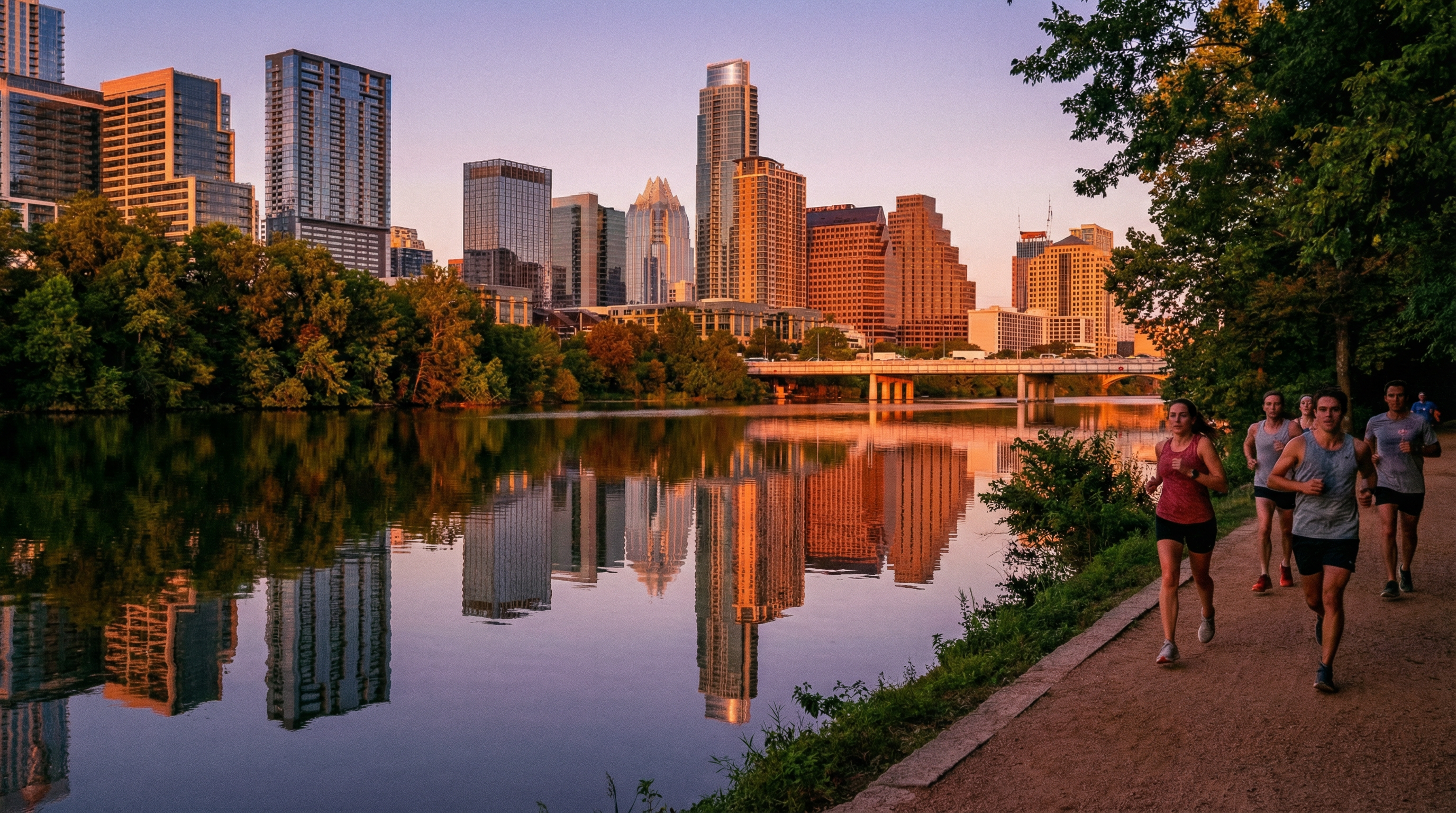
The largest lake in the chain, Bde Maka Ska (formerly known as Lake Calhoun) is a vibrant hub of activity. The 3.2-mile loop is wide and flat, offering stunning, expansive views across the water. Runners can enjoy the sight of sailboats and paddleboarders in the summer, and the distant Minneapolis skyline provides a beautiful urban backdrop, particularly from the eastern shore. The path is well-marked and a popular starting point for many, with ample parking and access to amenities like the **Bde Maka Ska Pavilion**. The lake's name, meaning "White Earth Lake" in the Dakota language, reflects a renewed respect for the region's indigenous history, a significant cultural detail for visitors to appreciate [2]. The sheer volume of runners here can be a motivating factor, turning a solo run into a shared community experience.
#### **Lake of the Isles (2.8 miles)**
Connected to Bde Maka Ska by a picturesque channel, Lake of the Isles offers a more intimate, winding experience. The 2.8-mile loop circles two wooded islands, providing a sense of seclusion and tranquility despite its proximity to the city center. The path is lined with some of Minneapolis's most beautiful and historic homes, offering a visual treat of classic architecture and manicured landscapes. The bridges connecting the mainland to the islands are perfect spots for a brief pause to take in the serene waterscapes. In winter, the lake often freezes over, and the path becomes a snowy corridor, with ice skaters and cross-country skiers replacing the summer crowds.
#### **Lake Harriet (3.4 miles)**
Lake Harriet is the southernmost and perhaps most beloved of the chain. Its 3.4-mile loop is slightly more varied in elevation than the others, providing a gentle challenge that breaks up the flatness of the overall chain. The lake is famous for the **Lake Harriet Band Shell**, a popular summer venue that often hosts concerts and events, adding a lively atmosphere to the run. The path is shaded in many sections, a welcome relief during the summer months. The connection from Lake Harriet to Bde Maka Ska is a short, pleasant stretch along the parkway, often lined with blooming flowers in the spring. The Lake Harriet Yacht Club adds a touch of old-world charm to the scenery.
#### **Cedar Lake (1.7 miles)**
The smallest and most western of the connected lakes, Cedar Lake offers a quieter, more natural feel. The 1.7-mile loop is less developed, with more wooded sections and a sense of being truly "out in nature." It connects to Lake of the Isles via a tunnel under the railroad tracks, completing the full Chain of Lakes experience. This section is particularly popular with trail runners and those seeking a break from the crowds, as the path surface is often a mix of paved and hard-packed gravel. The total 11.1-mile loop is a perfect distance for a long run, and the ability to break it into smaller, manageable loops makes it endlessly versatile.
**Route Summary: The Chain of Lakes**
| Segment | Distance (approx.) | Surface | Key Features | | :--- | :--- | :--- | :--- | | Bde Maka Ska Loop | 3.2 miles | Paved | City skyline views, Bde Maka Ska Pavilion | | Lake of the Isles Loop | 2.8 miles | Paved | Historic homes, wooded islands, winter ice sports | | Lake Harriet Loop | 3.4 miles | Paved | Band Shell, gentle hills, Yacht Club | | Cedar Lake Loop | 1.7 miles | Paved/Gravel | Quiet, natural setting, railroad tunnel connection | | **Total Loop** | **~11.1 miles** | **Paved/Gravel** | **Dedicated paths, year-round maintenance** |
---
Route 2: The Mississippi River Gorge – History and Nature
The Mississippi River, the lifeblood of the nation, carves a dramatic gorge through the Twin Cities, and the parkways that line its banks offer some of the most historic and varied running in Minneapolis. This route combines paved parkways with a hidden trail gem, providing a run that is both challenging and deeply rewarding, tracing the path of American industrial history.
#### **The River Parkways Loop (Approx. 9-10 miles)**
The main river route follows the **West River Parkway** in Minneapolis and the **East River Parkway** in St. Paul, connected by several bridges. A popular loop runs from the Ford Parkway Bridge down to the Washington Avenue Bridge, covering approximately 9 to 10 miles. The paved paths offer a mix of urban and natural scenery, with the river always in view. The elevation changes along the gorge provide a welcome challenge for runners accustomed to the flat lake loops.
* **St. Anthony Falls and the Stone Arch Bridge:** The northern section of the run is the most iconic and historically significant. The **Stone Arch Bridge**, a former railroad bridge now converted to a pedestrian and bike path, offers breathtaking views of the downtown skyline, the historic **Mill City Museum**, and the powerful **St. Anthony Falls**, the only major waterfall on the Mississippi River [3]. Running across this bridge, especially at sunrise or sunset, is a quintessential Minneapolis experience, connecting you directly to the city's flour milling past. The area around the falls is a hub of activity, with runners, cyclists, and tourists all sharing the space. * **The Mississippi Gorge:** As you head south, the riverbanks deepen into the **Mississippi Gorge Regional Park**, a protected area that feels surprisingly remote. The paved parkways here are shaded by mature hardwood forests, providing a cool, quiet escape from the city. The path offers stunning overlooks of the river, where you can often spot bald eagles and other wildlife. The tranquility here is a stark contrast to the urban energy of the Stone Arch Bridge area.
#### **Hidden Gem: The Winchell Trail**
For those seeking a break from the pavement, the **Winchell Trail** is a must-do, offering a true trail-running experience within the city limits. This 5-mile (round trip), pedestrian-only trail runs along the west bank of the river between Franklin Avenue and 44th Street, tucked away beneath the West River Parkway. It is a natural-surface trail (dirt and gravel) that winds through the wooded gorge, offering challenging elevation changes and stunning, intimate views of the river. It is a true hidden gem, often overlooked by those who stick to the paved paths above, and is a perfect spot for a technical, challenging run [4] [7]. Be prepared for mud after rain and watch your footing, as this is a rugged, natural trail.
---
Route 3: Minnehaha Parkway and Falls – Creek to Cascade
This route offers a delightful journey following the meandering **Minnehaha Creek** from the Chain of Lakes to its dramatic conclusion at the Mississippi River. It is a slightly longer, more linear route that can be easily adapted for various distances, offering a peaceful, green corridor through the heart of South Minneapolis.
#### **The Minnehaha Creek Trail (Approx. 7.4 miles one-way)**
The Minnehaha Parkway trail begins near Lake Harriet and follows the creek eastward. The 7.4-mile stretch is a flat, paved multi-use path that is part of the **Grand Rounds Scenic Byway**. The run is characterized by the soothing sound of the creek, which flows through a series of residential neighborhoods and small parks. It’s a peaceful, green corridor that feels miles away from the city, with numerous small bridges and wooded sections. This is an ideal route for a mid-week long run, offering a consistent, low-stress environment.
#### **Lake Nokomis Loop (2.75 miles)**
Midway through the parkway, the trail connects to **Lake Nokomis**, a smaller, less crowded lake than those in the Chain. The 2.75-mile loop around Lake Nokomis is a popular spot for runners and is known for its two beaches and calm waters. It provides a perfect, flat loop to add mileage before continuing the journey toward the falls. The lake is also home to the **Nokomis Nace**, a popular local race, and its wide paths are perfect for tempo runs.
#### **Minnehaha Falls and Park**
The route culminates at **Minnehaha Park**, home to the magnificent **Minnehaha Falls**, a 53-foot waterfall that cascades into the gorge below. The park is a beautiful place to finish a run, with historic structures like the **Longfellow House** and ample green space. The final stretch of the run offers a gentle descent into the park, ending with the spectacular sight and sound of the falls. This entire parkway is famously included in the final miles of the Twin Cities Marathon, making it a route steeped in local running history. The park is also the starting point for the **Grand Rounds** on the south side, offering further connection possibilities.
---
The Heartbeat of the City: Minneapolis Running Culture
Minneapolis is not just a city with great places to run; it is a city of runners. The running community here is robust, supportive, and active year-round, a necessity given the challenging climate. This dedication to the sport, despite the extremes of the weather, is what truly sets the city apart.
#### **Major Races and Events**
The running calendar is packed, but a few events stand out as essential experiences for any runner in the Twin Cities:
* **Medtronic Twin Cities Marathon (TCM):** Held every October, this is the city's premier running event. The course is a scenic masterpiece, starting in downtown Minneapolis, winding through the Chain of Lakes, along the Mississippi River, and finishing at the State Capitol in St. Paul. The energy and community support are legendary, with spectators lining nearly every mile of the course. It is a Boston Marathon qualifier and a bucket-list race for many [1]. * **Get in Gear:** An annual spring race (5K, 10K, Half Marathon) that takes place along the Mississippi River Parkways, often serving as the unofficial start to the outdoor running season. The course is fast and flat, making it a popular choice for setting a personal best early in the year. * **The Loppet Foundation Races:** This organization hosts a variety of trail and cross-country running events, including the **City Trails Loppet** in May and the **Trail Loppet** in September, which utilize the extensive trail system in Theodore Wirth Park. These events are a fantastic way to experience the city's trail running scene and embrace the more rugged side of Minneapolis running. * **Grandma's Marathon:** While held in Duluth, Minnesota, this race is a massive event for the Twin Cities running community, with countless runners traveling north each June. The training groups and long runs leading up to Grandma's are a major part of the spring running culture in Minneapolis.
#### **Running Clubs and Community**
The local running scene is highly organized, with clubs catering to all paces and goals, from elite marathoners to casual social runners:
* **Mill City Running:** More than just a specialty running store, Mill City Running is a community hub. They host free, weekly group runs that are open to all, fostering a welcoming environment for both seasoned marathoners and casual joggers [5]. Their runs often start and end at the store, providing a great social atmosphere. * **Run Minnesota:** A non-profit organization dedicated to promoting running and fitness. They offer training programs, group runs, and advocacy for the running community across the state [6]. They are a great resource for finding local races and training partners. * **North Star Run Club:** Known for its structured training and social events, this club is a great option for runners looking for a more dedicated training group, often focusing on marathon and half-marathon preparation.
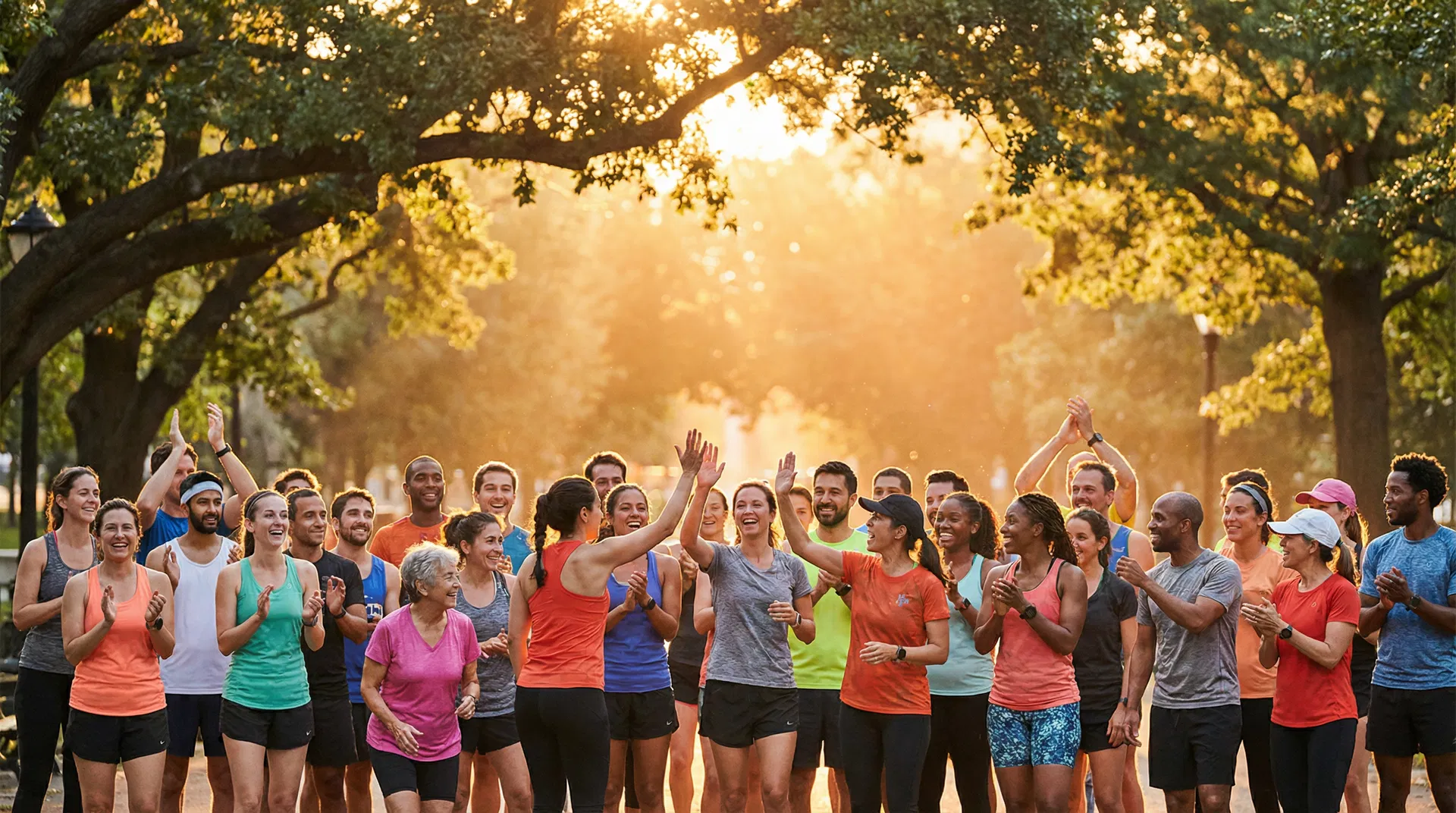
The culture is one of **resilience and camaraderie**. Runners here embrace the challenge of the weather, transforming the brutal Minnesota winter into a badge of honor. The sight of a group run in sub-zero temperatures is a common, inspiring occurrence, a testament to the collective spirit that refuses to be deterred by a little (or a lot of) snow and ice. This shared experience forges a strong bond, making the Minneapolis running scene feel less like a hobby and more like a year-round, city-wide movement.
Beyond the major clubs, the city is dotted with local running stores that serve as vital community hubs. **Run N Fun** and **Gear West** are two other highly respected institutions that offer expert advice, host training programs, and organize community events. These local businesses are the lifeblood of the running community, providing not only the necessary gear but also the social infrastructure that keeps runners motivated through the long winter months. The commitment to running is so deep that many local breweries, like **Surly Brewing Co.** and **Indeed Brewing Company**, host regular social runs, blending the city's craft beer scene with its passion for pavement and trails. This unique blend of athleticism and social engagement is what truly defines the Minneapolis running experience.
---
Seasonal Tips: Mastering the Minneapolis Elements
Running in Minneapolis means preparing for four distinct and often extreme seasons. Proper gear and strategy are essential for year-round enjoyment, and the local knowledge is a critical tool in your running arsenal.
#### **Winter Running (November – March)**
The Minnesota winter is legendary, with temperatures often dipping below zero. The key to survival is **layering** and **traction**, but the true secret is a positive, slightly absurd attitude toward the cold.
* **The "Start Cold" Rule:** A common local adage is to dress as if it is 20 degrees warmer than the actual temperature. You should feel slightly cold for the first mile, as your body will quickly generate heat. Overdressing is the fastest way to get cold, as sweat will freeze and chill you to the bone. * **Layering:** A moisture-wicking base layer, a fleece or thermal mid-layer, and a windproof outer shell are crucial. Pay special attention to extremities: insulated gloves or mittens, a warm hat, and a neck gaiter (buff) to cover the face and trap heat when breathing. Don't forget a good pair of thermal running tights, and consider a windproof layer for your legs on the coldest days. * **Traction and Footwear:** Ice is the single biggest hazard, and a fall can end your season. Many dedicated winter runners invest in **traction devices** like Yaktrax or Microspikes, or create their own **screw shoes** by drilling short sheet metal screws into the outsoles of old running shoes for superior grip on icy patches. This DIY approach is a hallmark of the resourceful Minnesota runner. It is crucial to stick to the main parkway trails, as the Minneapolis Park and Recreation Board (MPRB) prioritizes clearing and salting these paths, but always assume black ice is lurking. * **Safety and Visibility:** With limited daylight, visibility is paramount. Always wear **reflective gear** and use **headlamps or chest lamps** to see and be seen. The parkways are often unlit, and a powerful light source is essential for navigating the terrain and avoiding obstacles. Furthermore, running with a buddy or a group is highly recommended for safety in extreme cold. * **Embracing the Cold:** The running community doesn't hibernate; it celebrates the cold. Events like the **City of Lakes Loppet Winter Festival** offer a variety of winter sports, including cross-country skiing and snowshoeing, but also feature winter running events that embrace the snow and cold. These events are a fantastic way to experience the unique joy of a Minnesota winter run. The psychological barrier is often the hardest to overcome, but once you are out and moving, the crisp air and quiet, snow-covered landscape offer a truly unique and invigorating experience.
#### **Summer Running (June – August)**
Summers can be hot and surprisingly humid, making early morning or late evening runs necessary. The heat and humidity often catch visitors off guard, as the city's northern latitude suggests a cooler climate.
* **Hydration and Electrolytes:** Carry water or plan your route around the numerous water fountains available in the parks. Electrolyte supplements are highly recommended for runs over an hour, especially when the dew point is high. * **Shade:** Utilize the heavily shaded sections of the Minnehaha Parkway and the Mississippi Gorge trails to avoid direct sun exposure. The tree-lined parkways of the Chain of Lakes also offer intermittent relief. * **Bug Spray:** Ticks and mosquitoes can be an issue, especially on the more wooded trails like the Winchell Trail and in Theodore Wirth Park. Apply a good insect repellent before heading out. * **Sun Protection:** Sunscreen, a hat, and sunglasses are non-negotiable, as the sun can be intense, especially reflecting off the lakes.
#### **Spring and Fall Running**
These are the golden seasons for running in Minneapolis, offering the most comfortable temperatures and the most beautiful scenery.
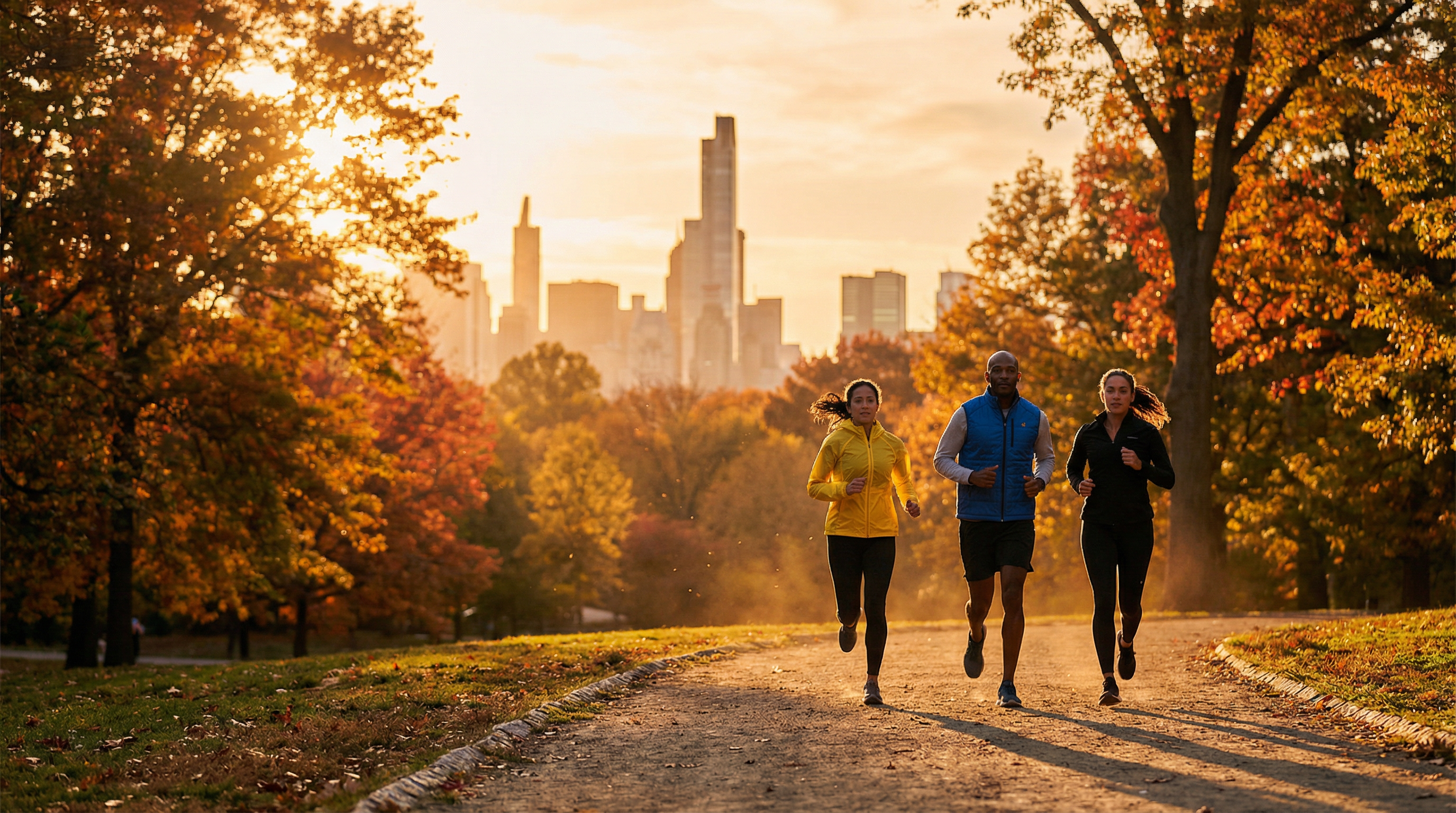
* **Fall Foliage:** The Mississippi River Gorge and the wooded areas around the lakes explode in color, making October runs particularly spectacular. The air is crisp, and the temperatures are perfect for long-distance running. * **Spring Thaw:** Be mindful of the spring thaw, which can lead to muddy conditions on dirt trails and standing water on paved paths. The "mud season" can last several weeks, so be prepared to get dirty or stick to the main paved routes. * **Layering in Transition:** Spring and Fall require flexible layering, as temperatures can fluctuate dramatically between morning and afternoon. Arm warmers, gloves, and a light vest are essential items for these transitional seasons.
---
Practical Information and Hidden Gems
Beyond the main routes, a few key pieces of practical information and some truly hidden gems can elevate your Minneapolis running experience.
#### **Practicalities**
* **Parking:** Free parking is generally available in the park areas, but it can be competitive, especially on weekends. Consider using public transport (the city has an excellent bus and light rail system) or ride-sharing to access popular starting points. The parking lots near Bde Maka Ska and Lake Harriet fill up quickly. * **Restrooms and Water:** Restrooms and water fountains are available at major park hubs (e.g., Lake Harriet Band Shell, Minnehaha Park) but are typically closed during the winter months. Plan accordingly, especially for long runs in the cold. * **Trail Etiquette:** The trails are multi-use. Always stay to the right, pass on the left, and announce your presence ("On your left!") when passing other users. Be mindful of cyclists, who can move very quickly, especially on the Greenway and River Parkways.
#### **More Hidden Gems**
While the Chain of Lakes and the River Parkways are well-known, the city holds other treasures for the adventurous runner:
* **Theodore Wirth Regional Park:** At 759 acres, Theodore Wirth is the largest park in Minneapolis, even bigger than Central Park in New York City. It is the city's true wilderness playground, offering a stark contrast to the flat, paved loops of the Chain of Lakes. Here, trail runners will find miles of unpaved, hilly, and technically challenging single-track trails that wind through dense woods, past wetlands, and around small lakes. The park is home to the **Loppet Foundation's** year-round events and is a fantastic place to practice hill repeats and build strength. The **Eloise Butler Wildflower Garden and Bird Sanctuary** within the park offers a peaceful, albeit restricted, area for a post-run cool-down. * **Midtown Greenway:** This 5.5-mile, grade-separated, paved trail is a former railway corridor that cuts through South Minneapolis, offering a crucial east-west artery for runners and cyclists. It is a marvel of urban planning, allowing for uninterrupted, high-speed running away from traffic lights and cars. Because it is lit at night and one of the first paths cleared of snow in winter, it is an excellent, safe option for commuters, late-night runners, and those seeking a flat, fast route. It connects the Chain of Lakes on the west to the Mississippi River trails on the east, making it a perfect link for creating custom, long-distance routes that traverse the entire city [8]. * **Grand Rounds Scenic Byway:** While not a single route, the Grand Rounds is the overarching system that connects all the major parkways and trails. It is a 50-mile loop that encircles the city, and completing the entire loop is a bucket-list item for many local runners. It offers the ultimate long-run challenge, passing through all the major running areas, including the Chain of Lakes, the Mississippi River, and the Victory Memorial Parkway. Planning a run on the Grand Rounds requires careful logistics, but the reward is an unparalleled tour of Minneapolis's natural and architectural beauty.
---
Conclusion: A City Built for the Long Run
Minneapolis is a city that doesn't just tolerate runners; it celebrates them. The extensive, interconnected park and trail system is a civic masterpiece, providing endless miles of scenic, safe, and varied terrain. From the iconic, glassy waters of the Chain of Lakes to the historic grandeur of the Mississippi River Gorge and the peaceful meander of the Minnehaha Creek, every run here is an exploration of the city's natural and architectural beauty. The resilience of the local running culture, which thrives despite the extremes of the climate, is a testament to the passion of its residents. Lace up your shoes, embrace the elements, and discover why Minneapolis truly is one of the best running cities in the world.
---
References
[1] Twin Cities In Motion. *Medtronic Twin Cities Marathon*. [https://www.tcmevents.org/](https://www.tcmevents.org/) [2] Wikipedia. *Bde Maka Ska*. [https://en.wikipedia.org/wiki/Bde_Maka_Ska](https://en.wikipedia.org/wiki/Bde_Maka_Ska) [3] National Park Service. *St. Anthony Falls*. [https://www.nps.gov/miss/learn/historyculture/st-anthony-falls.htm](https://www.nps.gov/miss/learn/historyculture/st-anthony-falls.htm) [4] AllTrails. *Winchell Trail*. [https://www.alltrails.com/trail/us/minnesota/winchell-trail](https://www.alltrails.com/trail/us/minnesota/winchell-trail) [5] Mill City Running. *Group Runs*. [https://www.millcityrunning.com/](https://www.millcityrunning.com/) [6] Run Minnesota. *Find a Group*. [https://run-minnesota.org/find-club/](https://run-minnesota.org/find-club/) [7] Twin Cities Outdoors. *Hike the Winchell Trail*. [https://twincitiesoutdoors.com/hike-mississippi-gorge-winchell-trail/](https://twincitiesoutdoors.com/hike-mississippi-gorge-winchell-trail/) [8] Minneapolis Park and Recreation Board. *Midtown Greenway*. [https://www.minneapolisparks.org/parks__places/trails/midtown_greenway/](https://www.minneapolisparks.org/parks__places/trails/midtown_greenway/)